
Europe's energy system is undergoing a profound transformation. In response to recent energy crises, geopolitical challenges and climate commitments, the European Union is accelerating efforts to secure reliable energy supplies, reduce dependence on fossil fuels and ensure that clean energy remains affordable for citizens and businesses. European municipalities and regions are at the heart of this transition, and they are turning European ambitions into practical solutions on the ground.
Why energy resilience matters
Energy resilience is about ensuring that households, businesses and public services have access to secure, affordable and sustainable energy, even in times of disruption. A resilient energy system makes Europe more secure, strengthens its economy and accelerates the transition towards climate neutrality.
The transition to a more resilient energy system goes hand in hand with lower energy costs, greater energy efficiency, increased deployment of renewable energy and a more interconnected European energy market
What is the EU's response to strengthen Europe's energy system
The European Union is advancing a range of initiatives to make Europe's energy system more resilient.
The European Union is stepping up efforts to make energy more secure, affordable and sustainable. Through a range of initiatives, it is working to reduce energy costs, strengthen cooperation between Member States and accelerate the transition to clean energy.
 Making energy more affordable
The Affordable Energy Action Plan, presented in February 2025 as part of the Clean Industrial Deal, sets out measures to lower electricity bills, improve energy efficiency and attract investment. It also highlights the need to tackle energy poverty, which affects more than 46 million Europeans, and ensure that households and businesses can benefit from more affordable energy.
'Affordable energy is essential for a fair transition. No household or business should be left behind because of high energy costs. Local and regional authorities have a key role in providing tangible solutions on the ground. The CoR recommends introducing a territorial dimension in energy affordability measures to ensure that all cities and regions, receive targeted support adapted to their specific constraints, infrastructure gaps and resource availability.'
Hanna Zdanowska, European Committee of the Regions rapporteur on Action Plan for Affordable Energy opinion Strengthening energy security and independence
Through REPowerEU, the EU is working to reduce dependence on Russian energy imports, diversify supplies and accelerate clean energy production. In April 2026, the Commission presented AccelerateEU, setting out further measures to address rising energy costs, strengthen cooperation between Member States and reinforce Europe's energy system.
 Accelerating the transition to clean energy
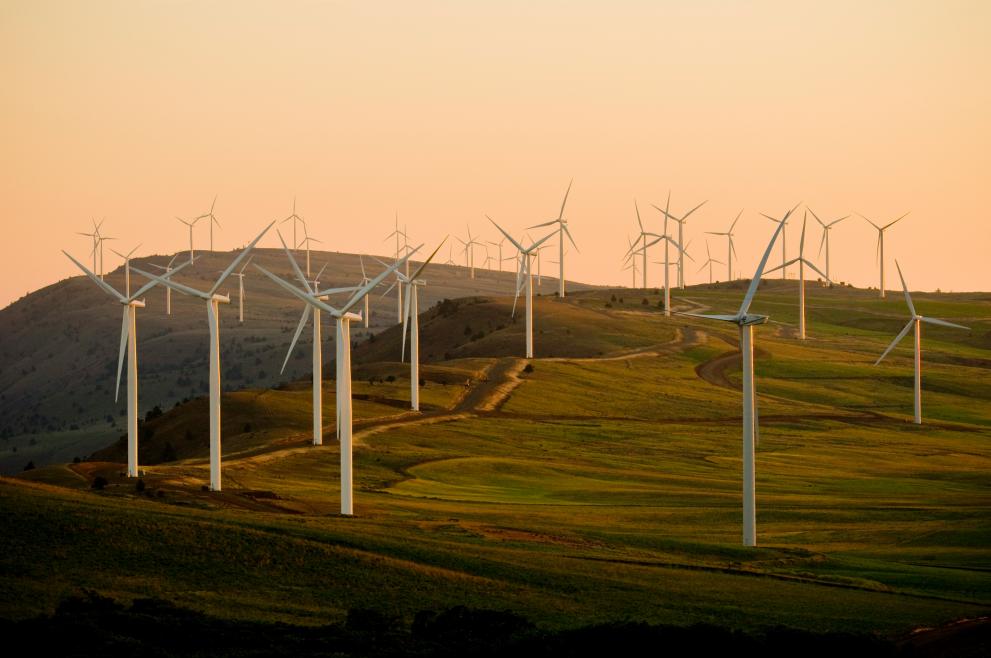
Expanding renewable energy, improving energy efficiency and modernising electricity grids are essential to building a more resilient European energy system. By supporting clean technologies, electrification and investment in energy infrastructure, the EU aims to reduce exposure to volatile fossil fuel markets while strengthening Europe's competitiveness and progress towards climate neutrality.
Energy resilience is a shared European effort. EU policies provide the framework, but their success also depends on action at national, regional and local levels. Municipalities and regions are essential partners in turning these ambitions into practical benefits for citizens and businesses.
Energy resilience starts locally: communities driving energy transition
Europe’s energy transition will succeed only if people experience its benefits in their everyday lives. Local and regional authorities are well placed to turn European ambitions into practical solutions, from warmer, more energy-efficient homes to locally produced renewable energy and better support for households struggling with energy bills.
Here are four ways local councillors can help build a more secure, affordable and sustainable energy future:
EU Covenant of Mayors: local action for stronger energy resilience
The EU Covenant of Mayors for Climate & Energy is the largest movement of local governments in Europe acting on climate change to secure a better future for their citizens. It gathers over 10,500 local authorities voluntarily committed to the European Union’s energy and climate targets.
Through this initiative, thousands of cities and municipalities across Europe are taking action to make their communities more secure, sustainable and better prepared for future energy challenges. By improving energy efficiency, investing in renewable energy and developing integrated climate and energy plans, local authorities are helping reduce energy demand, diversify energy sources and strengthen the resilience of local energy systems. The initiative provides a platform for cities to exchange knowledge, share best practices and accelerate the transition towards a more resilient and sustainable energy future.
Interested in contributing to energy resilience locally? Explore European initiatives and resources on Energy resilience: